 Previous
March 12, 2026
Do I Need a Permit in Maroondah Council for Tree Work?
Read More 


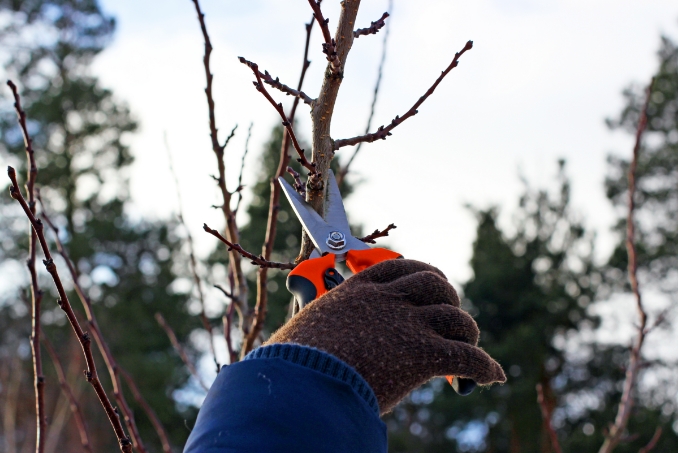
Pruning is often seen as a positive step for maintaining trees. When done correctly, it improves structure, safety, appearance and long-term health. Strategic pruning can encourage strong branch development, reduce the likelihood of storm damage and help trees coexist safely with buildings, fences and neighbouring properties. For many Melbourne homeowners, pruning feels like a routine part of garden maintenance.
However, many people are surprised to learn that pruning can also cause serious damage and, in some cases, kill a tree entirely. Trees are living organisms that rely on their canopy to produce energy, respond to stress and protect themselves from pests and disease.
Removing branches without understanding how a tree functions can disrupt this balance and place the tree under significant strain.
So, can a tree die from pruning?
The short answer is yes.
The more important question is why it happens and how it can be avoided. Tree death from pruning rarely occurs overnight. It is usually the result of excessive cuts, poor technique, incorrect timing or repeated pruning over several years. Each mistake compounds stress on the tree, reducing its ability to recover.
At True Blue Tree Management, we regularly attend properties across Melbourne where trees have been weakened, stressed or irreversibly damaged by incorrect pruning carried out by well-meaning homeowners or unqualified operators. This blog explains how pruning affects tree health, outlines the most common pruning mistakes, and shows how professional arborist care protects both your trees and your property.
If you are considering pruning or have concerns about previous work, this guide will help you make informed, confident decisions about your trees.
Trees do not naturally require pruning in bushland or forests. However, in urban environments like Melbourne, pruning plays an important role in managing safety, tree health and property assets.
Common reasons homeowners prune trees include:

Removing dead or hazardous branches
Pruning removes live tissue from a tree. Every cut creates a wound that the tree must seal and compartmentalise.
Healthy trees can manage this process when pruning is:
Yes, a Tree Can Die from Pruning
A tree rarely dies from one correct pruning cut. Trees usually die from cumulative stress caused by repeated or severe pruning mistakes.
Below are the most common pruning errors that can kill trees.
One of the most damaging mistakes is removing too much of the canopy at once.
As a general rule, no more than 20 to 25 percent of a tree’s canopy should be removed in a single pruning cycle. Removing more than this:
In Melbourne suburbs, we often see trees stripped back heavily to improve sunlight or reduce leaf litter. Unfortunately, this approach often causes long-term decline rather than solving the original issue.

Tree topping involves cutting large branches back to stubs or reducing the tree to an arbitrary height. This practice is still requested by homeowners but is strongly discouraged by qualified arborists.
Topping causes:
Many councils and professional arborists across Victoria consider topping to be tree vandalism due to the damage it causes.
If your goal is height or size management, structural pruning or selective reduction is a far safer alternative.
Poor pruning technique can be just as harmful as over-pruning.
Common issues include:
Incorrect cuts create entry points for fungi, borers and pathogens. Over time, internal decay can compromise the tree’s structure and stability.
At True Blue Trees, all pruning is carried out in accordance with Australian Standard AS4373 Pruning of Amenity Trees.
Timing matters.
Some tree species are highly sensitive to pruning during certain seasons. In Melbourne’s climate, incorrect timing can lead to:
For example, many deciduous trees are best pruned during dormancy, while some natives respond better to lighter pruning after flowering. Knowing when to prune is just as important as knowing how.
Selective pruning requires understanding tree structure and future growth patterns.
Removing the wrong branches can:
Inexperienced pruning often focuses on what looks untidy rather than what is structurally necessary.
If a tree has been incorrectly pruned, symptoms may appear immediately or develop over several years.
Warning signs include:
If you notice these signs, early arborist assessment can sometimes prevent further decline.
In some cases, yes.
Trees are resilient organisms, and with proper aftercare, lightly damaged trees can recover.
This may involve:
Corrective pruning
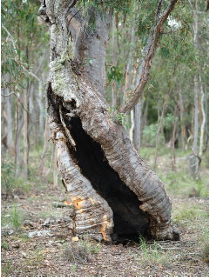
However, severely over-pruned or repeatedly damaged trees may not recover and can become hazardous.
This is why professional advice before pruning is critical.
Engaging a qualified arborist protects both your trees and your investment.
Professional pruning:
At True Blue Tree Management, we assess each tree individually and tailor pruning solutions to suit Melbourne conditions, soil types and species.
Many Melbourne councils require permits for pruning or removal, particularly for significant
or protected trees.
Incorrect pruning can:
We assist homeowners with council permit advice and ensure all works comply with local regulations.
For more information, visit our related blog on council tree permits and regulations on the True Blue Trees website.
While DIY pruning or hiring unqualified operators may seem cost-effective, it often leads to higher expenses in the long run.
Poor pruning can result in:
Proper pruning is an investment in the future health of your landscape.
Educational blogs like this one are an important part of what we do at True Blue Trees.
Blogging helps homeowners by:
For our business, blogging allows us to:
We encourage you to explore our other blogs, including:
These articles are interlinked throughout our website to help you find accurate, relevant information quickly.
True Blue Tree Management is a Melbourne-based arborist service specialising in safe, professional tree care for residential and commercial properties.
When you choose True Blue Trees, you benefit from:
We do not believe in unnecessary pruning. Our goal is to protect tree health while addressing safety and practical concerns.
If you are unsure whether your tree needs pruning, or you are concerned about previous pruning work, Professional advice now can save you significant cost and stress later.
Contact True Blue Tree Management today for expert arborist assessment and pruning services across Melbourne.
Phone: 0447 035 214
Email: info@truebluetrees.com.au
Website: www.truebluetrees.com.au
Early intervention can mean the difference between a healthy, long-lived tree and one that requires removal.
Pruning is not just about cutting branches. It is a skilled practice that requires knowledge of tree biology, structure and environmental conditions.
Yes, a tree can die from pruning.
But with the right advice and professional care, pruning becomes one of the most valuable tools for preserving trees in Melbourne’s urban landscape. If you value your trees, trust them to qualified arborists who put tree health first.