HomeBlogsUnderstanding Tree Root Behaviour in Melbourne Gardens
Understanding Tree Root Behaviour in Melbourne Gardens
Trees are one of the best long term investments you can make in your garden. They provide shade, add value to your property and bring character to your outdoor space. However, what many Melbourne homeowners do not see is just as important as what they do see. A tree’s root system plays a crucial role in the health and stability of the entire tree. Understanding how roots grow, spread and interact with garden structures can help prevent issues and keep your property safe.
In this blog, we break down how tree roots behave in Melbourne soils, what signs to watch for, how to manage root concerns safely and why expert arborist advice can save you significant money and stress. This article also links with other helpful guides on our website, including Understanding Tree Root Behaviour, Storm Season Property Protection and Tree Health and Pruning Advice.
Whether your concern is a tree close to your home, suspected root damage or simply wanting to understand how best to care for your garden, True Blue Tree Management is here to help. Our qualified arborists work across all Melbourne suburbs and provide honest, professional and reliable guidance.
What Are Tree Roots Really Doing Underground?
Tree roots are not there to cause problems. Their primary jobs include:
Anchoring the tree
Transporting water and nutrients
Supporting growth and stability
Storing energy for the tree’s long term survival
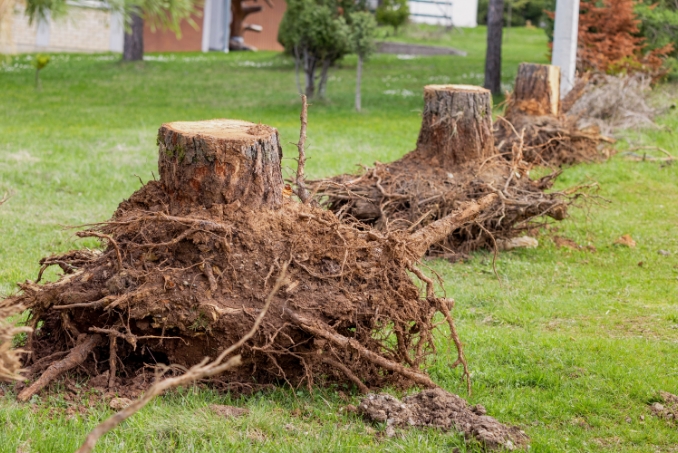
Most tree roots are located within the top 600 mm of soil. This is where oxygen, moisture and nutrients are most available. Although many people picture roots growing deep downwards, most species naturally spread outwards, often extending two to three times the width of the tree’s canopy.
Different trees behave differently, especially in Melbourne’s unique mix of clay-based soils, compacted urban ground and varied rainfall patterns. Understanding your tree’s species is the first step to understanding its root behaviour.
How Melbourne’s Soil Affects Tree Root Growth
Melbourne’s soil conditions range widely. Some suburbs feature sandy soils while others experience reactive clay that expands and contracts with moisture. These conditions affect root spread significantly.
Clay Soils
Clay soil holds water for longer. Tree roots often remain close to the surface, searching for oxygen. This can cause shallow, spreading roots that may appear near lawn surfaces or garden beds.
Sandy Soils
Sandy soils drain quickly, which encourages roots to travel deeper in search of moisture.
Compacted Urban Soil
Front yards, driveways and older properties often have compacted soil that reduces air flow. Roots in these areas tend to travel sideways rather than down.
Understanding your soil type helps explain why certain trees behave the way they do. True Blue Trees can assess soil conditions during an on site consultation and recommend suitable species or management options.
Common Melbourne Trees and Their Root Behaviours
Some species are more likely to present issues due to how aggressively they seek water or how far they spread. Common examples include:
Elms
Elms are iconic in Melbourne and well known for their wide spreading root systems. While they are generally stable and reliable, they can seek moisture aggressively in dry conditions.
Eucalypts
These native favourites develop extensive lateral roots. They are strong, adaptable and usually not problematic unless planted too close to structures.
Fig Trees
Figs have some of the strongest and most invasive root systems. They should never be planted near pipes or foundations unless adequate space is available.
Liquidambar
Known for their beautiful autumn colour and equally well known for root spread that seeks moisture aggressively.
Knowing the species and typical behaviour is important, especially when considering new plantings or managing existing mature trees.
Do Tree Roots Really Damage Pipes and Structures?
There is a common misconception that tree roots break pipes or cause structural damage on their own. In most cases, this is not true.
Tree roots enter pipes onlywhenacrackorweaknessalreadyexists. They do not break into intact pipes. Once inside, roots take advantage of the moisture and nutrients. The
solution is usually a plumbing repair combined with responsible tree management rather than removing the tree entirely.
Similarly, roots rarely cause foundation problems unless the tree is planted extremely close to a building. Homes in Melbourne with reactive clay soils can experience soil movement due to weather patterns, not tree roots alone.
That said, roots can lift pavers, disturb garden edging and impact retaining walls if planted too close. True Blue Trees can assess your site and provide tailored advice including
options like selective root pruning, canopy management or relocation guidance.
How to Identify Potential Root Problems
You may not always see roots, but you can notice signs that suggest they may be affecting your garden:
Cracks in paving or raised concrete
Soil heaving near the base of the tree
Slow draining moisture or soggy areas
Roots visible on the surface
Nearby trees declining or showing stress
Fences leaning or warped
New shoots emerging far from the tree base
Not all signs indicate a severe problem. Many trees naturally grow visible surface roots and this is not dangerous. A visual inspection from a qualified arborist helps determine whether the issue needs action or simply monitoring.
Preventing Root Issues in Melbourne Gardens
Proactive garden planning is the best defence. Some effective strategies include:
1.Planting the Right Tree in the Right Place
Selecting suitable species for your soil, yard size and proximity to structures is essential. Trees with larger root systems should be planted further from homes and fences.
2.Regular Pruning and Health Management
Well maintained trees are less likely to develop aggressive root behaviours. Pruning reduces canopy weight and improves the tree’s overall balance. You can read more about pruning in our previous article How to Protect Your Property During Storm Season.
3.Adequate Watering
Roots seek moisture. If your tree is not watered during extended dry spells, it may search further for water sources. Deep, infrequent watering helps roots stay contained.
4.Mulching
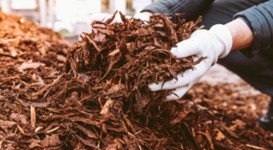
Mulch keeps soil moist and cool which reduces stress and root spread. It also improves soil health over time.
5.Root Barriers
In some situations, installing a professional root barrier is the best option for protecting structures. This should always be done by an experienced arborist.
Can You Cut Tree Roots?
Root pruning is possible but must be done carefully. Cutting too many roots or cutting structural roots can destabilise the tree and create a serious safety hazard.
Only a qualified arborist should assess whether root pruning is safe. At True Blue Trees, we provide root investigation and safe removal where appropriate. We will only recommend root pruning if it will not compromise the tree’s stability.
Tree Root Management and Insurance
Tree roots and structural concerns often lead to insurance enquiries. It is important to remember that many insurers require proof of hazard or risk before they consider coverage.
Our experienced arborists can conduct detailed visual assessments and provide reports for property owners, real estate agencies, strata management, insurance builders and
schools. Reports include photos, findings and clear recommendations.
Why Blogging Helps You as a Homeowner
At True Blue Trees, we invest in creating helpful blogs because informed homeowners make safer decisions.
Provide reliable tree advice that applies to Melbourne conditions
Guide you on seasonal maintenance
Help protect your property from preventable damage
Give you confidence when choosing tree services
Allow you to link between topics on our website such as storm preparation, pruning,
stump grinding and tree removals
Improve our website’s visibility which makes it easier for you to find trustworthy information when you need it
Our goal is to support you with reliable, easy to understand information so you can maintain a healthy, safe and beautiful garden year round.
When to Call a Professional Arborist
If you notice:
A tree close to your home
Visible surface roots
Cracking nearby structures
Suspected damage to pipes
Tree health decline
Changes after heavy rain or hot weather
A tree on a fence line shared with a neighbour
It is important not to guess. Professional assessments help avoid unnecessary removals, insurance surprises and long term property issues.
True Blue Trees offers:
Root inspections
Tree health assessments
Arborist reports
Pruning and canopy management
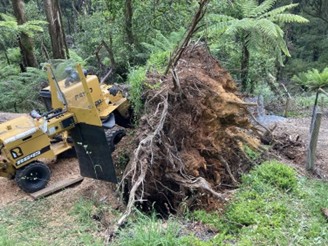
Stump grinding
24 hour emergency storm services
Tree removals when needed
We work with homeowners, real estate agents, body corporates, schools, builders and council regulated properties across Melbourne.
If you are concerned about tree roots, planning a garden renovation or want peace of mind about the safety of your trees, True Blue Trees is ready to help.
You can also explore related blogs on our website, including:
How to Protect Your Property During Storm Season in Melbourne
Understanding Tree Root Behaviour
Why Regular Tree Maintenance Matters for Melbourne Homes
Your trees are an investment. With the right care and expert guidance, they will continue to add beauty, value and safety to your property for years to come.




 Previous