 Previous
December 3, 2025
How to Protect Your Property During the Storm Season in Melbourne
Read More 




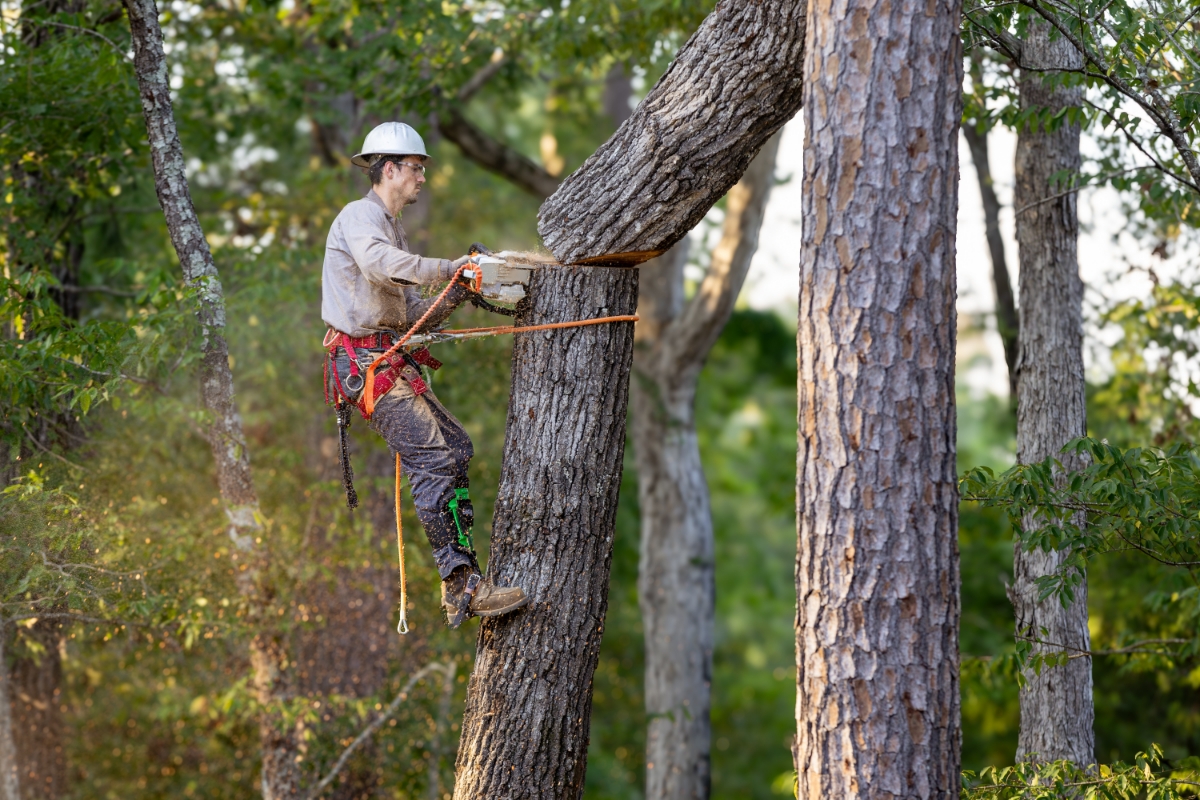
At True Blue Trees, we’re often asked a thoughtful question: What happens to the wildlife when a tree comes down? It’s a fair concern, especially in Australia where our trees provide essential homes for possums, birds, insects, and countless other creatures. While tree removal is sometimes necessary for safety, construction, or tree health reasons, it’s important to understand the impact on local wildlife and how we can minimise it.
In this blog, we’ll explore what really happens when a tree is cut down, how it affects the animals that rely on it, and the responsible steps you can take to protect native species. We’ll also show you why choosing a professional and wildlife-conscious arborist team like True Blue Trees makes all the difference.
When you look at a big gum tree in your backyard, you might see shade, character, and a bit of natural Aussie beauty. But for wildlife, that same tree is a high-rise apartment block, a food source, and a place of safety.
Hollows in older trees are especially important. They provide nesting spots for birds like kookaburras, owls, and cockatoos. Possums set up camp in them too, using the hollows to raise their young. Even insects, frogs, and reptiles call them home. Removing a tree without considering these creatures can displace them suddenly, leaving them vulnerable.
That’s why at True Blue Trees, we carry out pre-removal assessments to check for wildlife and hollows. It’s part of our commitment to responsible tree care, not just cutting and clearing.
Learn more about our tree removal services and how we put safety and sustainability first.
It’s not always ideal to cut a tree down, but sometimes it’s the safest and most responsible choice. Reasons include:
When trees pose risks to people, homes, or businesses, leaving them can be more harmful in the long run. Still, the welfare of wildlife is a crucial factor in how that removal should be managed.
Here’s a look at what happens when wildlife is discovered in a tree due for removal
The goal is to ensure minimal disruption while keeping both humans and wildlife safe.
See how our arborist services include a strong focus on environmental responsibility.
If you’re planning to have a tree removed from your property, there are a few things you can do to help make the process smoother and safer for wildlife:
Australia has some of the most unique wildlife in the world, but habitat loss is one of the biggest threats to their survival. Every tree matters. While one backyard tree might not seem like much, combined across suburbs and cities, tree removal can significantly impact local ecosystems.
That’s why it’s so important to balance safety with environmental responsibility. By planting new trees or supporting replanting initiatives, you can help restore habitat and support biodiversity.
Interested in planting after removal? Check out our tree pruning and maintenance services to help your new trees grow strong and healthy.
If you’ve ever sat quietly in your backyard, you’ll know just how alive our trees are. Possums scurry along branches at night, cockatoos screech overhead in the mornings, and even tiny insects play an important role in keeping ecosystems ticking along.
For example, microbats often roost in tree hollows and help keep mosquito numbers under control. Rainbow lorikeets feed on blossoms, spreading pollen as they go. Even the humble beetle helps break down organic matter around roots. When a tree is removed, these everyday ecosystems shift, and not always in ways we notice immediately.
This is why it’s crucial to think about the ripple effect that tree removal can cause, not just on visible animals like possums but also on the smaller, unseen ones.
Sometimes, removing a tree entirely isn’t the only option. Depending on the condition of the tree, you might be able to:
Talking with an experienced arborist can help you decide the best course of action while still considering wildlife.
Explore our tree pruning services for more details.
The story doesn’t end once the tree is gone. Often, wildlife adapts to nearby trees or uses alternative shelters provided by homeowners, such as nesting boxes. Many property owners also choose to plant replacement trees, ensuring new habitats are created for future generations of wildlife.
At True Blue Trees, we encourage replanting where possible, whether it’s native shrubs, small habitat trees, or even larger species suitable for your space. Replanting not only gives back to wildlife but also keeps your property looking green and inviting.
You might be wondering why a tree care business is writing blogs like this one. The truth is, blogging is a powerful way to keep our community informed, share tips, and raise awareness about issues like wildlife protection. It also helps our customers:
Getting a tree cut down doesn’t have to mean harming local wildlife. With the right planning, care, and professional support, you can keep your property safe while giving our native animals the best chance to thrive.
At True Blue Trees, we’re passionate about striking that balance. Whether it’s a full removal, a pruning job, or an emergency make-safe after a storm, we always look for ways to protect and respect the wildlife that make Australian trees their home.
If you’re considering tree removal, don’t leave it to chance. Partner with a team that cares about both safety and sustainability. Get in touch with True Blue Trees today to book your assessment and take the first step toward safe, responsible, and environmentally conscious tree care.
👉 Contact us here to arrange your consultation.
👉 Or explore our full range of services, from tree removal to arborist reports.
Because when we look after our trees, we’re also looking after our wildlife and that’s something we can all feel good about.